If you spend more time in airport lounges than at your own table, your threat account looks different from the typical tourist. You browse jet lag, recycled cabin air, elevation, confined aisles, and the occasional crazy dash via an incurable. The majority of trips finish uneventfully. Yet anyone that has actually flown routinely has seen the cabin lights snap on mid-cruise, viewed the crew stride down the aisle with a clinical kit, or heard the captain ask if there's a physician on board. These moments unravel quickly. They are also the reason several regular leaflets include a first aid course or a CPR course to their travel routine, the same way they purchase noise-canceling headphones or lounge access.
Airlines educate crew to manage medical occasions, and they do it well, yet assistance from a calm, qualified traveler can alter the trajectory of an emergency. With modern first aid training, you find out not just exactly how to carry out high-quality CPR, however just how to triage usual in-flight troubles like fainting, reduced blood glucose, and extreme allergies. The result is not a hero facility, just a peaceful confidence that often maintains a manageable situation from turning into a diversion.
Why medical events really feel various at 35,000 feet
On the ground, a rescue is minutes away. At cruising altitude, aid can be half an hour to several hours out, depending upon location and weather condition. The cabin setting moves the physiology. Reduced cabin pressure suggests the partial stress of oxygen declines compared to sea level, which can uncover heart or lung problems in individuals that are borderline at baseline. Dehydration creeps up because cabin humidity is reduced. Tension from long term resting predisposes to fainting when somebody stands swiftly, or to leg swelling and, in unusual cases, deep blood vessel thrombosis.
Most in-flight problems are small: fainting, nausea, anxiousness, nosebleeds. Yet the little portion that are significant, like cardiac arrest, stroke, or extreme allergy, carry outsized effects. The moment element is extreme. Heart attack survival goes down roughly 7 to 10 percent per min without defibrillation and reliable chest compressions. On an airplane, a well-placed automatic outside defibrillator and a spectator trained in CPR can bridge the void prior to an emergency touchdown becomes possible.
What a first aid and CPR course truly teaches you
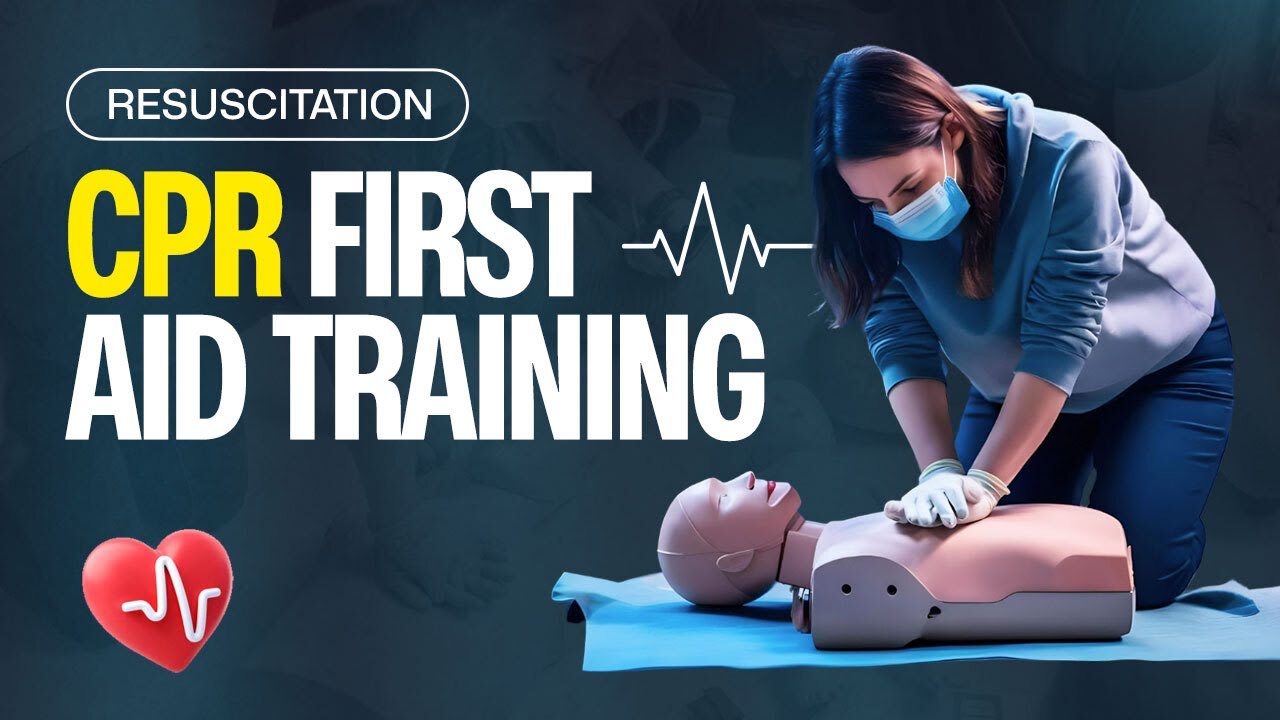
People usually envision first aid as a package and a bandage. Modern first aid and CPR training is extra regarding prioritization, interaction, and physiology than it has to do with devices. You discover to measure a scene, protect on your own and the client, and after that function down an easy algorithm: inspect responsiveness, call for aid, open the air passage, begin CPR if required, control blood loss, and deal with for shock. You exercise this on manikins and in reasonable circumstances, repeating the tempo of compressions and breaths till your muscle memory holds.
A good first aid and cpr course covers exactly how to:
- Recognize cardiac arrest promptly, deliver top notch compressions at the correct rate and deepness, and make use of an AED without hesitation. Manage choking in grownups, kids, and infants, consisting of when and just how to change from back impacts to abdominal thrusts. Stop severe blood loss with straight stress, loaded dressings, and tourniquet principles. Address fainting, hypoglycemia, bronchial asthma exacerbations, and anaphylaxis, consisting of how to help with an epinephrine auto-injector. Improvise with restricted sources, which mirrors the truth of a cabin galley.
That last factor issues. In a plane, you do not have an injury bay. You have the components of an onboard first aid set and, on most business trips, a clinical kit available to crew or a medical professional under airline plan. Even if you never ever open up a package, understanding when to position a woozy traveler level with legs raised or how to instructor slow-moving breathing during an anxiety attack can soothe a stressful scene.
Specific skills that translate finest at altitude
Not all training components matter similarly for tourists. Based on what actually occurs in the air, these abilities make their keep.
CPR and AED usage. Cardiac arrest is uncommon in the cabin, however it is the one circumstance where seconds matter and bystander action changes the outcome. Modern cpr training highlights deep, quick compressions, full breast recoil, and marginal disturbances. You will certainly likewise learn to run an AED, which speaks with you in plain language the minute you use the pads. Airlines supply AEDs, and crew bring them swiftly when a clinical problem is stated. Recognize a tough surface area, swap in rescuers every 2 mins preferably, and listen to the device.
Fainting and reduced high blood pressure. Syncope is one of the most usual in-flight problem. Standing too fast, dehydration, heat, a lengthy line up for the bathroom, or a vasovagal reaction can do it. The solution is normally straightforward. Assist the person lie level, boost the legs if there is no suspicion of injury, loosen tight collars, and deal sips of water once they are alert. Your words matter: narrate what you are doing, keep your tone also, and motivate slow-moving breathing. If the person has diabetic issues or signs suggestive of low blood glucose, team can provide juice, and your training helps you identify when sugar is the priority.
Breathing troubles, from bronchial asthma to anxiety. Air that really feels thin, integrated with stress and anxiety, can kick up hissing or hyperventilation. First aid courses show you to determine distinct wheeze, placement the person upright, and help them use their own inhaler or spacer. For hyperventilation connected to stress and anxiety, you learn grounding techniques and paced breathing. You do not require a paper bag. You do require persistence and gauged speech.
Allergic responses. Peanuts hardly ever cause trouble from air-borne direct exposure alone, yet get in touch with or ingestion can. Recognize anaphylaxis early: hives plus problem breathing or swelling, dizziness, or a feeling of doom. Team have accessibility to medical protocols, and you may aid with an epinephrine auto-injector. If the passenger carries their very own, aid them use it in the external upper leg through apparel. Time is oxygen. Epinephrine precedes, antihistamines later.
Bleeding control. Knocks to elbow joints, scalp cuts, or galley problems take place. Direct stress with layered paper napkins or gauze is normally enough. First aid training shows you just how to sustain pressure without glimpsing every 10 secs, which is the most typical mistake. For nosebleeds, lean forward slightly and squeeze the soft part of the nose, not the bridge. Avoid packaging nostrils with cells unless blood loss is heavy.
Stroke acknowledgment. On long-haul flights with older guests, you may see unexpected crookedness in face, arm, or speech. FAST is the memory hook: Face drooping, Arm weakness, Speech difficulty, Time to call for aid. Cabin elevation can intensify symptoms in individuals with borderline cerebrovascular book. You can not treat a stroke aboard, however you can begin the clock, collect a background, and position the traveler safely.
Choosing the right program for constant flyers
The market is crowded. Try to find programs that teach first aid and CPR to present resuscitation guidelines, offer hands-on method, and issue a first aid certificate accepted by companies or controling bodies where you live. If you are usually on the road, prioritize mixed choices with online theory and short in-person skills sessions. A trustworthy company will certainly release program outlines, time demands, and recertification periods. Some include travel-focused modules or scenario technique in confined spaces, which pay dividends.
Quality differs, and the fitness instructor matters as high as the educational program. Teachers with scientific or prehospital histories bring nuance that scripted slides lack. You desire case tales, not simply bullet points. When a fitness instructor explains why they moved a collapsing passenger to the galley flooring rather than the dive seat, you discover decision-making as well as technique.
If your work requires it, choose a first aid and cpr course that lines up with your industry. Aviation experts adhere to specific requirements. Constant company travelers can go with a detailed first aid course that consists of cpr training and AED use, plus components on hemorrhaging control, allergic reactions, and environmental ailment. If you took a cpr course two years back, take into consideration a cpr refresher course. Skills decay faster than individuals expect, and refreshers rebuild speed and accuracy.
What "excellent" resembles throughout an in-flight emergency
Medical events inflame adrenaline. The goal is not theatrics, it is structure. The most effective spectators do three things well: they communicate plainly with crew, they keep the scene calmness, and they make stable, evidence-based selections. If you offer assistance, present on your own and give your level of training. Team will certainly pair you with their checklist and tools. Designate basic jobs to other travelers if required, like bring water, relocating bags, or protecting the scene with blankets for privacy.
Consent and dignity issue. Ask prior to you touch someone, and describe what you plan to do. Speak slowly, keep your posture low and your hands visible. If language is an obstacle, use motions and simple words. A little information like covering a person with a layer while they rest on the aisle flooring modifications just how safe they feel and just how the cabin perceives the event.
As the scenario maintains, pass along a short background: symptoms, timing, drug use, known allergic reactions, and anything eaten lately. Paper times if you can, especially when an AED supplied a shock or when epinephrine was given. These timestamps shape decisions about diversion and overview paramedics on the ground.
Building a tourist's first aid mindset
Training sticks when you practice it in your own reality. Flight throws you constraints that a class does not, so analyze them prior to they appear.
Small rooms. You can not turn elbow joints in an aisle. During CPR, you may kneel in between seat rows with your shoulders piled over your hands. If an individual falls down in a seat, you will need to transfer them to a company surface for effective compressions. Deal with crew to get rid of the row or utilize the galley floor, which is flat and accessible.
Noise and crowding. Cabin sound masks refined hints. Family members might be upset. Interested eyes will certainly gather. Ask team to handle the group, and concentrate your gaze on the individual's face and breast. If you provide rescue breaths with a pocket mask from the onboard package, protect the seal and watch for chest rise, not sound.
Limited resources. On a plane, you usually have an AED, oxygen bottles, masks, a first aid package, and, on numerous providers, an improved medical package. You could not have all the dimensions you desire. First aid training teaches improvisation. For padding under a head, use a folded coat. For light, ask a person to make use of a phone flashlight. For hypoglycemia, juice or soft drink jobs, after that a portable carbohydrate treat once they can chew safely.
The clock. You can not rush a pilot's choice, and you do not need to. You require to keep the individual to life and as stable as feasible till a flight terminal shows up under the nose wheel. Concentrate on the following action you control: compressions, placing, confidence, or the second dose of epinephrine if anaphylaxis lingers after five to fifteen minutes per protocol and a medical professional or staff protocol allows.
Packing a travel-sized first aid brain, not a suitcase
You do not need to carry a field medic set via protection. A compact, legal collection of products can enhance your training without hassle. Pack a few adhesive bandages, a set of non-latex handwear covers, alcohol wipes, and your individual medicines. If https://melbournefirstaid.au/ you bring an epinephrine auto-injector or inhaler, maintain them in your carry-on and tell your traveling companion where they are. A slim CPR face guard is cost-effective and lives undetected in a key budget. A lot of circumstances resolve with what the plane supplies and what you know.

Many regular flyers keep PDFs of their first aid certificate on their phone or cloud storage, particularly if they sustain work trips or volunteer roles. The certification itself is hardly ever asked for throughout an incident, but it keeps your recertification routine visible and triggers you to reserve a refresher prior to abilities fade.
How training transforms the means you relocate with airports
First help training does not make you distressed; it makes you observant. You discover the older guy hissing a little in the safety line and provide him space without crowding him. You use your aisle seat to an expecting female who looks pale and clammy, due to the fact that you understand access matters if she feels pale. You cover up on water before a long field and avoid the third gin, understanding how dehydration and alcohol contend cabin elevation. This is not sanctimony. It is danger management gained from case studies, from debriefs, from trainers who have actually seen a peaceful low-blood-sugar episode morph right into complication that discouraged a cabin crew.
You also check out boarding in different ways. If you notice a chilly coming on, you load tissues and sterilizing wipes to prevent sharing it with your row. If you travel with children, you rehearse what choking resemble and what you would certainly do if it happened 2 hours into a transatlantic hop. On a long flight with moms and dads or in-laws, you examine their medications and time doses so an essential pill is not buried in the hold when it is needed.
Keeping abilities sharp in between courses
A first aid course develops a foundation. Without technique, the sides blur. Short, spaced refreshers make a distinction. View a three-minute video clip on compression depth every few months. Run a psychological simulation while seated at travelling elevation: if the person across the aisle sagged ahead right now, what would certainly you do initially, second, third? This micro-rehearsal costs nothing and smooths your feedback when the real phone call comes.
When your calendar permits, book a cpr correspondence course. These sessions are shorter than full cpr courses, expense less, and focus on hands-on drills. Several suppliers send suggestion emails near your expiry date. Do not disregard them. Abilities are subject to spoiling, and what you exercise under low anxiety is what you deliver under pressure.
If your travel routine is punishing, ask for combined or night alternatives. Carriers that collaborate with corporate vacationers comprehend the restrictions and frequently run pressed sessions that still meet criteria. Watch on standard updates as well. Resuscitation science progresses every five years or two, and while the basics stay, small changes can boost outcomes.
What airlines offer and exactly how to connect in effectively
Airlines systematize equipment to decrease uncertainty. Expect to see at the very least:
- An AED with voice triggers, grown-up pads, and usually a pediatric mode. Oxygen bottles with masks and flow regulators, usually 2 to 4 litres per min for long term usage and greater circulations for brief bursts. A first aid set with bandages, gauze, tape, antiseptics, and basic supplies. An improved medical set on lots of providers, which may consist of epinephrine, antihistamines, pain killers, nitroglycerin, bronchodilators, and air passage accessories, normally accessible under staff procedures or with doctor oversight by means of ground clinical control.
Crew additionally have training cycles. They pierce their functions and make use of lists. Your value as a trained traveler shows when you straighten keeping that structure as opposed to freelancing. Ask, do not presume. If you need the AED, request it; if you are providing compressions, allow the crew handle the AED rhythm checks and analysis to decrease disturbances. If several helpers show up, one person leads and tells, another tracks time, a 3rd fetches devices. This sychronisation keeps power routed and calm.
Edge situations worth assuming through
Night flights over water. Diversions are sluggish. Tiredness is high. In these instances, your emphasis gets on sustained actions: rotation of compressors during CPR, careful surveillance for frequent anaphylaxis, and meticulous positioning for breathing distress. Headlamps are rare, so phone flashes and overhanging lights matter.
Travel to areas with restricted ground medical resources. On arrival, you might find slower emergency reaction. During flight, your function does not change, but your expectancy does. Encourage at-risk friends to lug copies of prescriptions, and consider medical sharp fashion First Aid Course Newcastle - firstaidandcprcoursenearme.com jewelry for recognized conditions.
Travel with infants and elderly family members. Choking procedures differ by age. First aid courses instruct infant-specific strategies that really feel counterintuitive in the beginning. Exercise them up until your hands keep in mind. For older grownups, moving them gently and preserving dignity is as vital as speed.
Language obstacles. If the individual or staff talk a various language, show more and speak much less. Show an inhaler motion, model slow-moving breathing, point to the thigh for epinephrine. Crew frequently include multilingual members, and fellow travelers can analyze. Maintain directions simply put, clear phrases.
The return on a quiet investment
Frequent leaflets are organizers at heart. You maximize seat maps, conference times, and transfer windows. Including a first aid and cpr course to that toolkit is not regarding expecting disaster; it has to do with appreciating the side cases. The money and time commitment are small. In several cities, a consolidated first aid and cpr course runs half a day to a full day, with a first aid certificate legitimate for one to three years relying on neighborhood rules. Refresher sessions are also shorter. Some service providers, such as those focused on working experts and shift employees, routine nights or weekend breaks and keep cohorts tiny for even more hands-on time.
What you gain is disproportionate. On a flight from Sydney to Singapore, I saw a software application professional, fresh from a cpr training weekend break, recognize a collapsing spell in the galley prior to it became turmoil. He decreased the passenger to the floor, raised legs with a pillow, led slow breathing while a flight attendant fetched juice, and maintained the area calmness with a couple of steady sentences. Ten minutes later on, the traveler stayed up, pale yet grinning. No diversion, no dramatization. That is the everyday benefit of training: the episode that never ever makes the news because it never spiraled.
The unusual, high-stakes minutes inform their own tale. When a cabin AED announces "shock recommended," the next sixty secs define a life. If you can kneel, put your hands, and press at the right price without thinking about your arm joints, you give that person a fighting possibility. Staff will certainly back you. The AED will certainly guide you. Your training will certainly steady you.
Travel will certainly constantly hold variables you can not script. What you can manuscript is your preparedness. Reserve the course. Keep your cpr current with https://firstaidcertificateadelaide.au/ a cpr refresher course when due. Carry your tranquil onto the airplane with your boarding pass. And when the lights snap on mid-cruise, you will certainly not lean back and wish somebody else stands up. You will unbuckle, introduce on your own, and do the work that needs doing, continuously and well.